
Author: Salomé Wagner
Retreat 2026: Reflection, Responsibility and Play
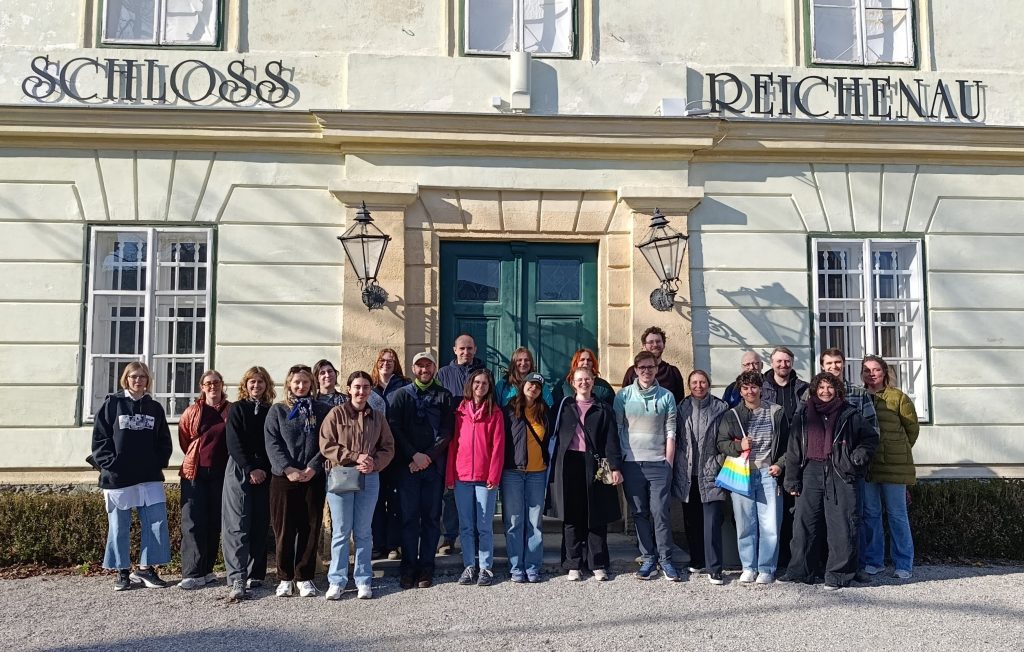
We gathered in Reichenau an der Rax on March 19 and 20 for our first retreat, combining reflection, responsibility and play experimentation. The early spring landscape of the Semmering region created space to think about our projects and responsibility, and the role of advancing digital technologies in society.
Data, Responsibility, and Scientific Practice: Data Management is More Than Compliance
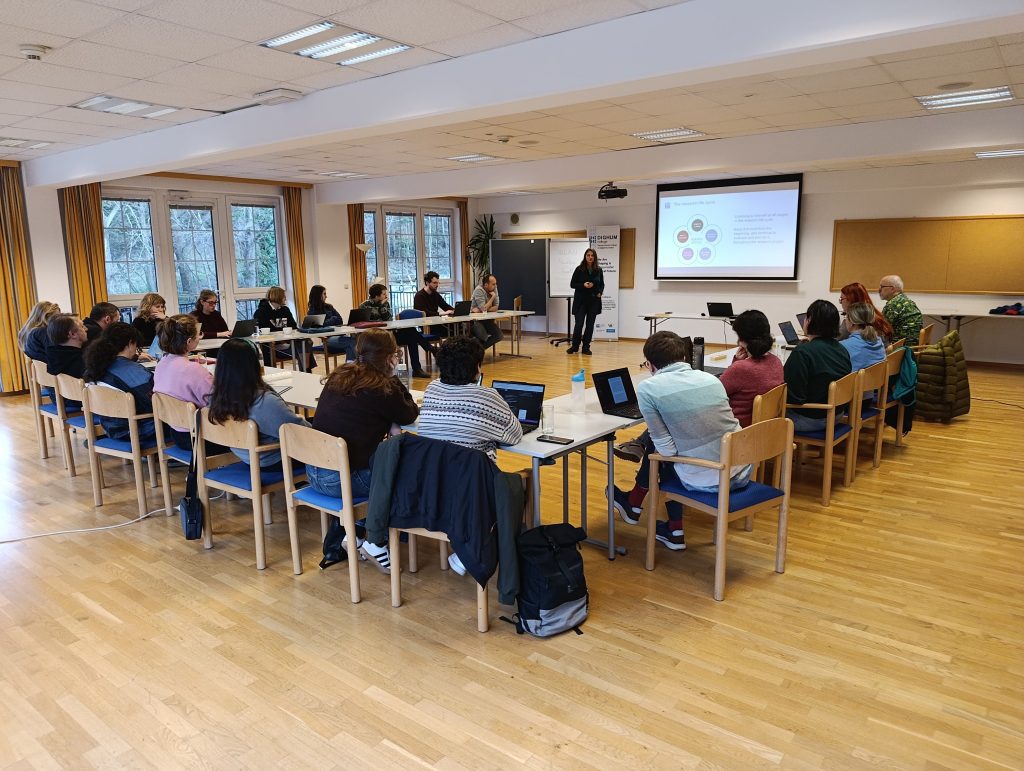
The retreat opened with a session by Florina Piroi and Tomasz Miksa from the Center for Research Data Management at TU Wien. Their talk on Data Management Plans (DMPs) went beyond administrative requirement and illustrated that poor data management can undermine even the best research. Missing metadata, proprietary file formats, unclear licensing, or lack of documentation can make even valuable work unusable.
At its core, research data management is about:
- Reproducibility
- Transparency
- Long-term accessibility
- Ethical and legal responsibility
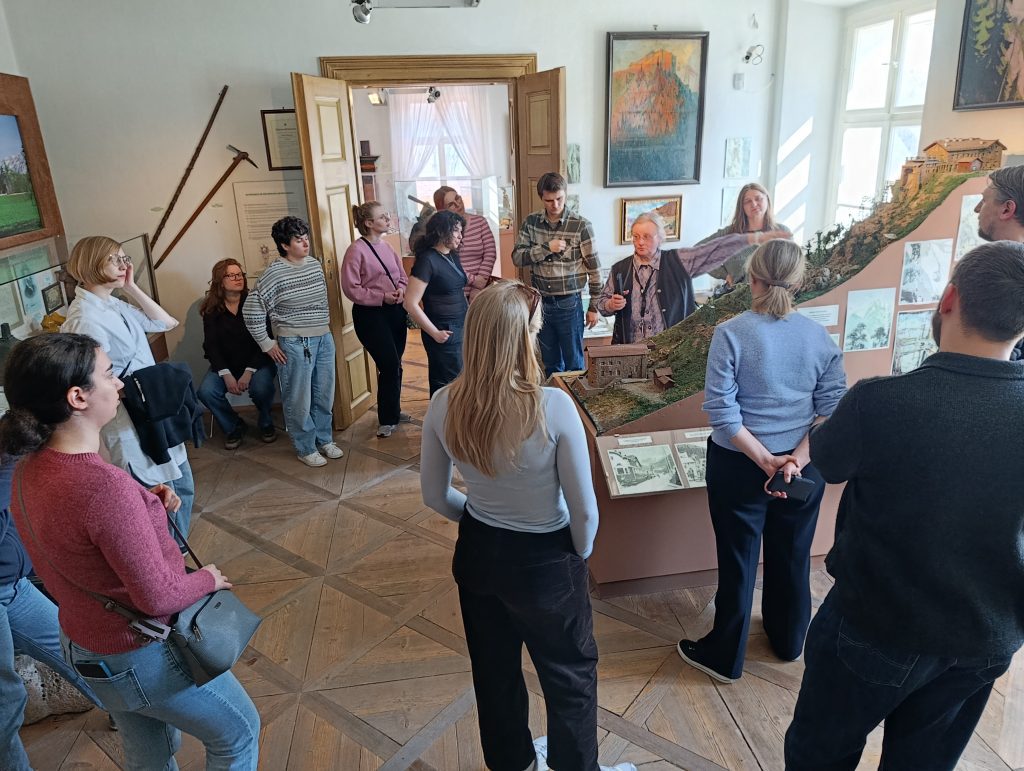
In the afternoon, we took the chance to visit Schloss Reichenau, where we have been guided through the exhibition by historian Friederike Griessler. Her research about the Semmering and its historical development as place of “Sommerfrische” lasts more than 30 years. She had many interesting insights about the construction of the Semmering Bahn and the pioneering of construction for public transportation.
Serious Games and Democratic Values
The evening session, led by Peter Purgathofer (TU Wien), shifted the perspective: from managing data to rethinking how we learn and reflect.
Under the title“Using non-digital games to enhance learning in interdisciplinary approaches,” the group explored how analog games can foster:
Creative and computational thinking,
Critical Thinking,
Responsible Thinking,
Policy Thinking.
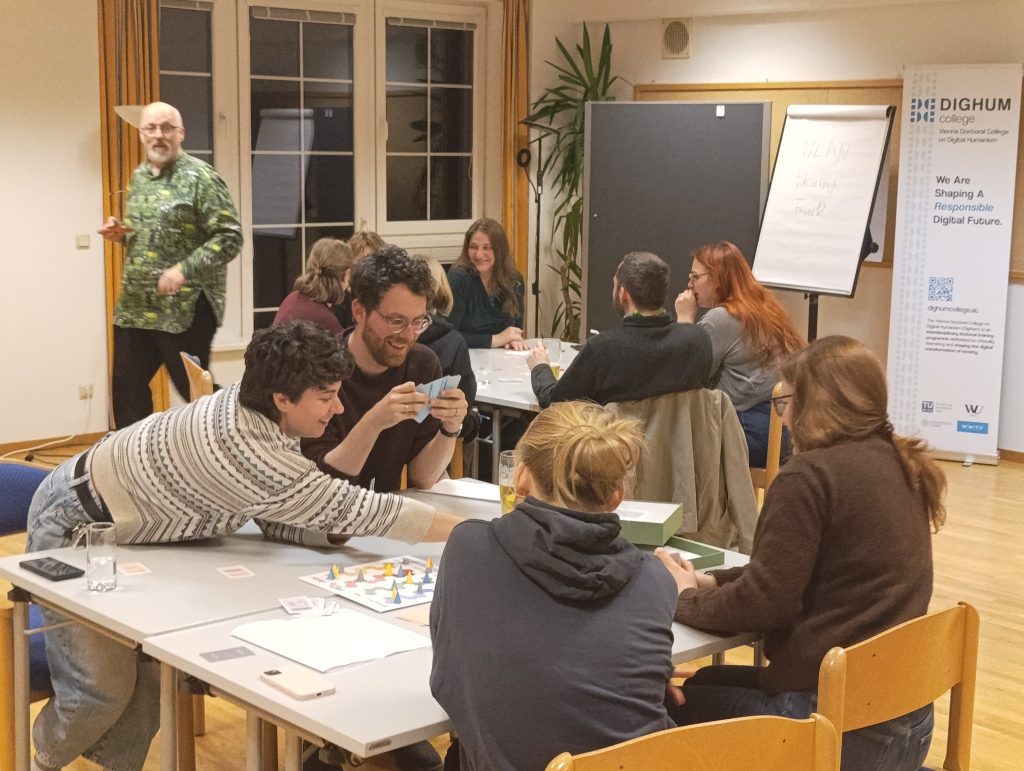
Drawing on concepts like “Ways of Thinking in Informatics,” we experienced how game-based learning brings awareness to ethical tensions, conflicting values, and policy trade-off. Importantly, these were non-digital games — an intentional choice. In a doctoral school focused on digital humanism, stepping away from screens highlighted that technology is embedded in broader social, cultural, and political contexts.
The Vision that Technology Serves Society and Democratic Values
The second morning was dedicated to structured reflection with Florina and Tomasz about DMP. The Key questions in practical use remain the same, no matter the setting:
- How solid is my methodology?
- Is my data strategy coherent?
- What ethical or legal risks might arise?
The after-noon session finally was the opportunity for the PhD candidates to discuss among themselves the set- up and organisation of their PhD Club and to start the election process for the representativs for the steering board of our college.
Digital Humanism calls for technology that serves society and democratic values. This retreat demonstrated that it starts in everyday research practices: how do we document decisions, how we engage with others, and how we reflect on our own assumptions. It comes down to the integration of three dimensions:
- Technical competence (data management, FAIR principles, ..)
- Ethical awareness (legal, societal, and political implications)
- Reflective and creative methods (serious games / interdisciplinary dialogue)
The two days in Reichenau showed that doctoral education in Digital Humanism is not just about research but about shaping responsible and engaged researchers.